
Harmony practice
Five Harmony Checks Before You Rearrange Anything
Diagnosis before action — the five questions that reveal what a room actually needs.
Read the Room Before You Move a Single Thing
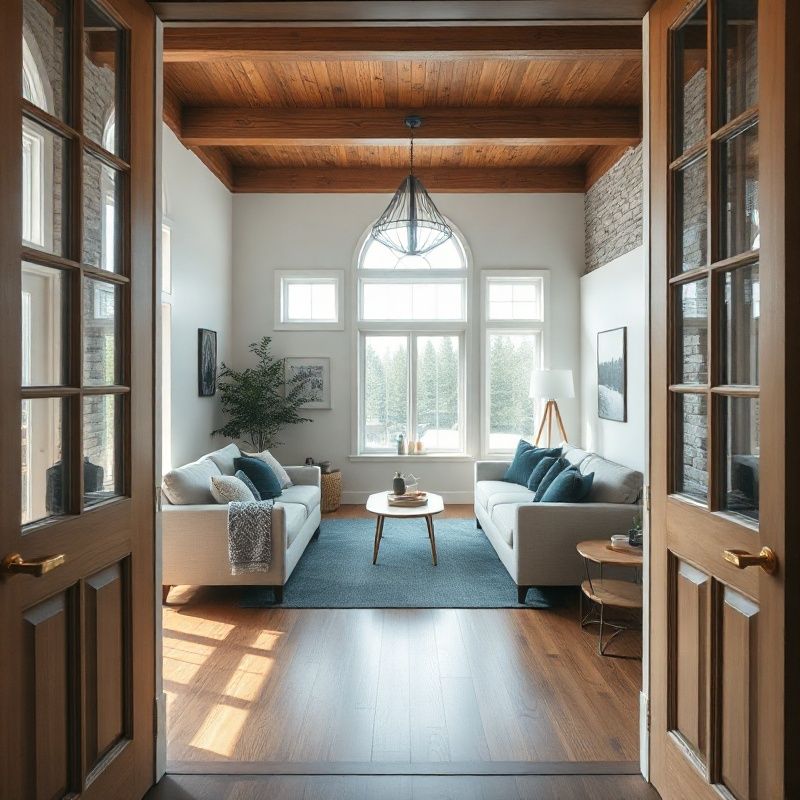
The impulse to rearrange a room usually arrives as vague dissatisfaction — a sense that something is off, even when everything is clean and in place. Acting on that impulse without a diagnostic step first is why so many rearrangements end with furniture pushed back to where it started. Before anything moves, Terrawstone recommends five checks that name what is actually wrong. The first is the entry check: stand in the doorway and note where your eye goes. If it lands on a wall, a corner, or the back of a chair rather than on the room's best feature, the layout is working against you. The second is the flow check: walk the most common path through the room — kitchen to sofa, bedroom door to wardrobe — and count how many times you step around something. More than twice is a functional problem, not an aesthetic one. The third is the light check: visit the room at the time of day you use it most and observe where the natural light lands and where the shadows pool. Furniture placed in shadow will always feel heavier than it is. The fourth is the scale check: photograph the room on your phone and look at it small. Scale problems — a rug that floats, a lamp that disappears, a sofa that crowds — are far more visible at thumbnail size than in person. The fifth is the harmony check: identify the room's dominant material and ask whether every other surface either complements or contrasts it intentionally. If the answer is neither, that material is likely the source of the unresolved feeling. With all five checks complete, you will know exactly what to change — and what to leave entirely alone.